

An Overview of Organic formulas

Organic baby formula is infant formula made with ingredients that meet strict organic standards primary avoiding synthetic pesticides, herbicides, GMOs and synthetic fertilizers. . It’s designed to mimic breast milk and is a popular choice for parents seeking a more natural option for their babies when breastfeeding isn’t possible.
Key characteristics of organic baby formula:
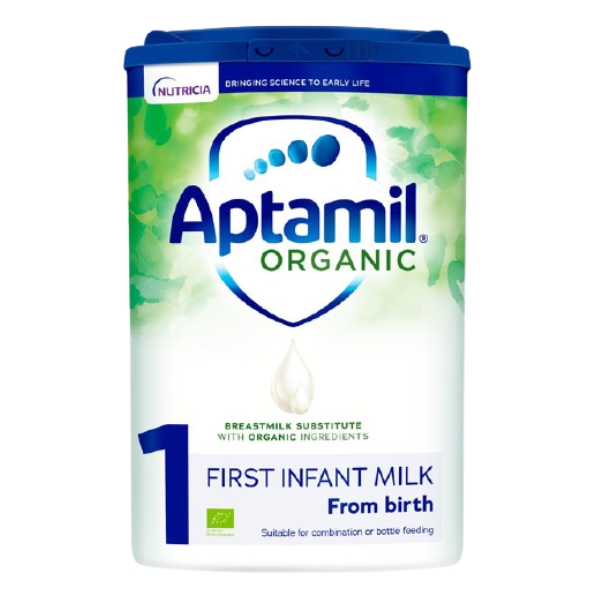
- Certified Organic: At least 95% of the ingredients must be certified organic, meeting standards like those set by the USDA or EU organic regulations.
- No GMOs: Organic formulas are free from genetically modified organisms.
- No Synthetic Pesticides or Herbicides: The ingredients are grown without the use of synthetic pesticides or herbicides.
- No Synthetic Fertilizers: Organic farming practices exclude the use of synthetic fertilizers.
- No Artificial Additives: Organic formulas avoid artificial flavors, colors, and preservatives.
- No Synthetic Hormones or Antibiotics: Organic standards prohibit the use of synthetic hormones and antibiotics in animals that produce milk for the formula.
- Sustainable Sourcing: Organic farming practices often emphasize sustainability and environmental responsibility.
Choosing organic baby formula:

When selecting a formula, it’s important to check for certifications like the USDA Organic seal or certifications from organizations like Australian Certified Organic (ACO) or the National Association for Sustainable Agriculture (NASSA) in Australia. Also, carefully read the ingredient list to understand exactly what is in the formula. While organic formulas can be a good option, it’s essential to consult with a pediatrician or healthcare professional to determine the best formula for your baby’s individual nee
As more parents become mindful of the ingredients in the foods they choose for themselves and their families, the trend of switching to organic baby formulas has gained significant traction. With rising health consciousness and growing concerns about food safety, parents are increasingly turning to organic options for their little ones. This article explores the reasons behind the popularity of organic baby formula, its benefits, potential drawbacks, and some important considerations that parents should keep in mind.
Defining Organic Baby Formula
Organic baby formula is a type of infant formula made from ingredients that are produced without the use of synthetic pesticides, fertilizers, or GMOs (genetically modified organisms). It adheres to strict agricultural standards set by regulatory bodies, ensuring that the formula is free from harmful substances and chemicals. In many countries, organic baby formulas also follow guidelines established by organic certification organizations that inspect and verify the entire supply chain—from farm to production.
Why Choose Organic Baby Formula?
There are several compelling reasons why parents choose organic baby formula:
-
- Healthier Ingredients: Organic formulas prioritize nutrient-dense ingredients that promote healthy growth and development in infants.
-
- Lower Exposure to Chemicals: By opting for organic, parents can significantly reduce their baby’s exposure to potentially harmful chemicals and additives.
-
- Environmental Concerns: Organic farming practices are less harmful to the environment, promoting biodiversity and sustainability.
-
- Higher Animal Welfare Standards: Many organic brands source their dairy and other ingredients from farms that adhere to higher animal welfare standards.
Benefits of Organic Baby Formula

Choosing organic baby formula may provide various benefits, including:
1. Nutritional Value
Organic formulas often contain higher levels of essential nutrients and fatty acids. Many brands fortify their products with nutrients such as DHA (Docosahexaenoic acid) and ARA (Arachidonic acid), which are crucial for brain development.
2. Fewer Allergens
Many organic formulas are designed to minimize allergens. For parents concerned about lactose intolerance or soy allergies, there are a variety of organic options available that cater to their needs.
3. Gut Health
Some organic formulas include prebiotics and probiotics, which can promote a healthy gut microbiome in infants. A balanced gut microbiome may contribute to a stronger immune system and better digestion.
4. Peace of Mind
Many parents report feeling more comfortable and assured when feeding their children organic products, knowing they are choosing healthier options for their development.
Potential Drawbacks of Organic Baby Formula
While organic baby formula has many advantages, parents should also be aware of potential drawbacks:
1. Cost
Organic baby formulas can often be more expensive than their conventional counterparts. This price difference can add up, especially with the rapid growth and feeding needs of infants.
2. Limited Options
Although the market is expanding, the variety of organic baby formulas available may not be as extensive as conventional brands. This can limit options for parents based on their preference for specific ingredients or formula types.
3. Misleading Labels
Not all products labeled as “organic” meet the same standards. Parents need to educate themselves and scrutinize labels carefully to ensure they are making informed choices.
What to Consider When Choosing Organic Baby Formula
For parents considering the switch to organic baby formula, there are several important factors to consider:
1. Consult with a Pediatrician
Before making changes to your baby’s diet, especially if you are transitioning from breast milk or a different formula, consult with your pediatrician. They can provide personalized guidance and recommendations based on your child’s individual health needs.
2. Read Labels
Pay attention to the ingredient list and nutritional information on the labels. Ensure the formula contains essential nutrients, such as iron, DHA, ARA, and vitamins.
3. Check for Certifications
Look for products that carry certifications from reputable organic food standards organizations. This adds an extra layer of assurance regarding the product’s quality and safety.
4. Monitor Your Baby’s Reaction
After switching to an organic formula, monitor your baby for any signs of allergies or intolerance, such as rashes, excessive crying, or gastrointestinal issues. Every baby is different, and what works for one may not work for another.
Conclusion
The increasing popularity of organic baby formula signals a shift in how parents prioritize their child’s nutrition. With health consciousness at the forefront, many families are choosing organic options as a way to ensure a safe and healthy start for their little ones. While there are certainly advantages to organic formulas, it’s essential for parents to research thoroughly, consult with healthcare professionals, and make informed choices tailored to their child’s needs. The journey into parenthood is filled with decisions, and feeding your child the best possible nutrition is one of the most significant.