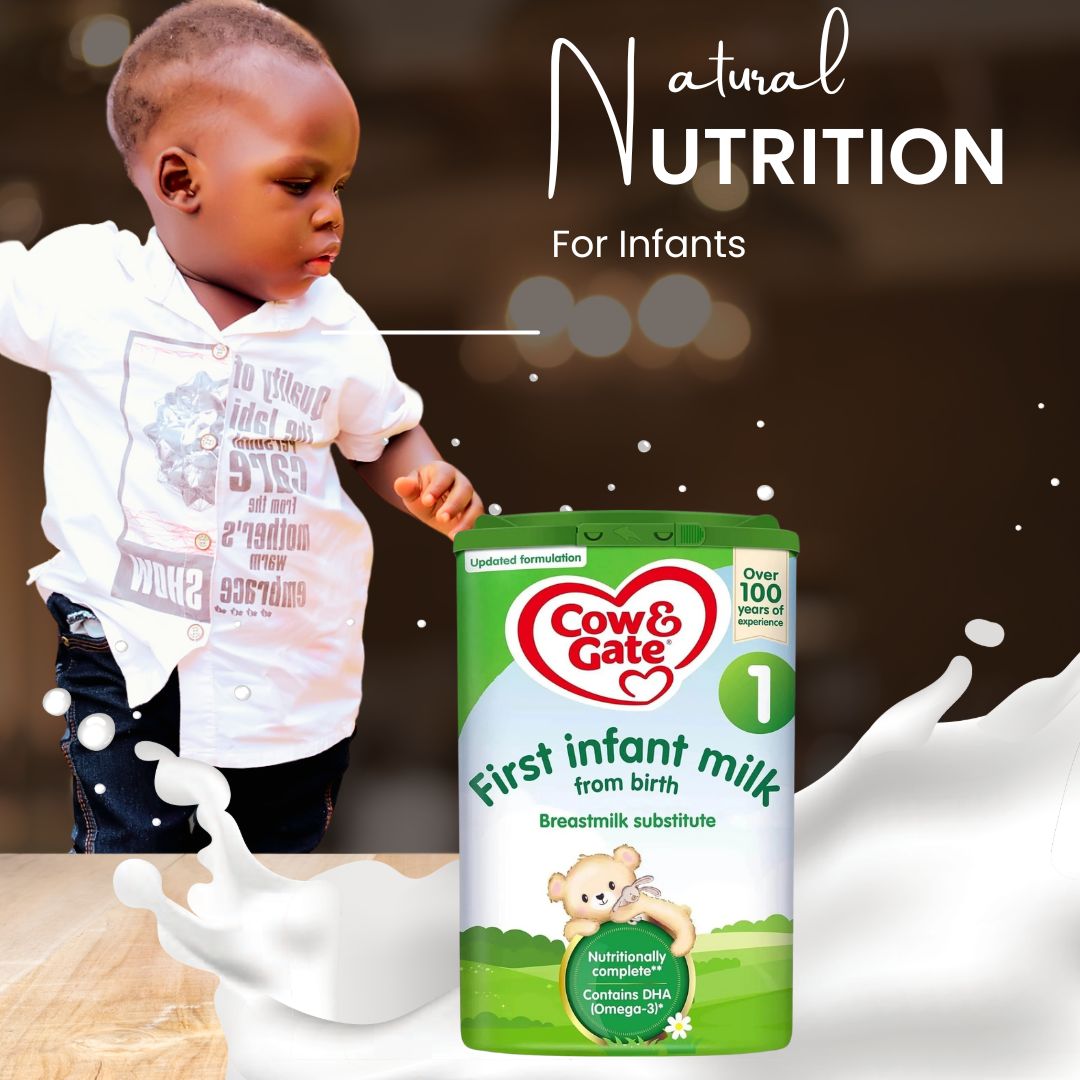


An overview of Lactose-Free Formula For Babies
-
Lactose Removal:The primary characteristic is the absence of lactose, making it suitable for babies with lactose intolerance.
-
Alternative Carbohydrates:Manufacturers replace lactose with other carbohydrates like corn syrup to ensure a complete carbohydrate source for the baby.
-
Cow’s Milk Based:Lactose-free formula is still typically based on cow’s milk but with the lactose removed.
-
Suitable for Birth:It is safe and suitable for use from birth, but always under medical supervision.
-
Reduced Digestive Issues:By removing lactose, lactose-free formula can help reduce digestive problems like diarrhea, abdominal pain, and gas.
-
Easier Digestion:The formula is designed to be easier to digest for babies with lactose intolerance.
-
Medical Guidance:Lactose-free formula should only be used under the guidance of a healthcare professional.
-
Not for Milk Allergy:Lactose-free formula is not suitable for babies with cow’s milk protein allergy.
-
Proper Nutrition:Lactose-free formulas are still designed to provide all the necessary nutrients for infant development, but it’s important to ensure the baby is getting enough calcium.
As new parents, navigating the world of infant feeding can be overwhelming. One common consideration is choosing the right formula for your baby, especially if they have a lactose intolerance or sensitivity. This guide will help you understand lactose-free formula, its benefits, and how to select the right one for your little one.
What is Lactose-Free Formula for babies
Lactose-free formula is specially formulated baby food designed for infants who cannot digest lactose, a sugar found in milk. This formula is often made from cow’s milk or soy protein, with the lactose removed or broken down into simpler sugars (glucose and galactose) that are easier for babies to digest.
Indication for Lactose-Free Formula
Conditions requiring lactose-free formula:
-
Lactose Intolerance:This is the most common reason. The baby’s body cannot properly digest lactose, leading to symptoms like diarrhea, abdominal pain, flatulence, and bloating.
-
Gastrointestinal Issues:If a baby experiences diarrhea, bloating, colic, or wind related to lactose, a lactose-free formula might help.
-
Transient or Secondary Lactose Intolerance:This can develop after a bout of gastroenteritis (stomach flu), when the small intestine lining is damaged, temporarily reducing lactose digestion. A lactose-free formula might provide relief during this period.
- Lactose intolerance is usually temporary in babies and can resolve as their digestive system matures.
- If a baby has cow’s milk allergy, a hypoallergenic formula, rather than a lactose-free formula, is necessary.
- Always consult with a healthcare professional or pediatrician before making changes to a baby’s formula.
Signs Your Baby May Need Lactose-Free Formula
If you’re unsure whether your baby needs a lactose-free formula, watch for these signs:
-
- Excessive gas or bloating
-
- Diarrhea or frequent loose stools
-
- Fussiness or irritability after feeding
-
- Skin rashes or eczema
If you observe these symptoms, consult with your pediatrician to determine if lactose intolerance or sensitivity may be an issue.
Differentiating between an allergy and Lactose Intolerance
- Cause: An overreaction of the immune system to milk proteins.
- Symptoms:
- It affects Respiratory, sensory and the Digestive system with symptoms ranging from mild to severe, including skin rashes, hives, swelling, and potentially life-threatening reactions like anaphylaxis.
- Timing: Symptoms typically appear quickly after consuming milk or dairy products.
- Diagnosis: Skin prick tests, blood tests measuring IgE antibodies, and elimination diets can help diagnose milk allergy.
-
Cause:A lack of the enzyme lactase, which is needed to digest lactose (a sugar found in milk and dairy products).
-
Symptoms:It only affects the digestive system presenting with digestive discomfort, such as gas, bloating, nausea, diarrhea, and stomach cramps, usually occur within minutes to hours after consuming milk or dairy.
-
Timing:Symptoms tend to appear later, after the digestive process.
-
Diagnosis:Hydrogen breath test, blood tests measuring blood sugar levels after lactose consumption, and genetic testing can help diagnose lactose intolerance.
|
Feature
|
Milk Allergy
|
Lactose Intolerance
|
|---|---|---|
|
Cause
|
Immune system overreaction to milk proteins
|
Lack of lactase enzyme to digest lactose
|
|
Symptoms
|
Skin reactions, breathing difficulties, potentially life-threatening anaphylaxis
|
Digestive discomfort (gas, bloating, diarrhea)
|
|
Timing
|
Usually immediate
|
Typically later, after digestion
|
|
Severity
|
Can be severe and life-threatening
|
Typically less severe, but can be uncomfortable
|
|
Treatment
|
Avoidance of milk and dairy products, antihistamines, epinephrine
|
Lactose-free products, lactase enzyme supplements, avoidance of dairy
|
Types of Lactose-Free Formula
There are several types of lactose-free formulas available on the market, suitable for different dietary needs:
-
- Regular Lactose-Free Formula: These formulas have lactose completely removed or hydrolyzed, making them suitable for infants with lactose intolerance.
-
- Hydrolyzed Formula: These are designed for babies with milk protein allergies or sensitivity, where proteins are broken down into smaller pieces to be more easily digestible.
-
- Soy Formula: Made from soy protein, this formula is an alternative for babies who cannot tolerate dairy-based formulas. Always consult with your pediatrician when considering soy formula, as some babies may also be allergic to soy.
How to Choose the Right Lactose-Free Formula
When selecting a lactose-free formula for your baby, consider the following factors:
-
- Consult Your Pediatrician: Before making any changes to your baby’s diet, speak with your pediatrician. They can help determine the best formula based on your baby’s health and nutritional needs.
-
- Review Nutritional Content: Ensure that the formula meets all nutritional requirements, including essential vitamins and minerals your baby needs for healthy growth and development.
-
- Check for Allergens: If your baby has a history of allergies, carefully check the formula label for potential allergens such as soy or protein sources.
-
- Consider Baby’s Preferences: Some babies may have preferences for certain tastes or textures. You may need to try different formulas to see which one your baby prefers.
Transitioning to Lactose-Free Formula
If you decide to switch to a lactose-free formula, follow these guidelines for a smooth transition:
-
- Gradual Change: Start by mixing the new formula with the current formula, gradually increasing the ratio of new formula over several days.
-
- Monitor Baby’s Response: Keep an eye on your baby’s reactions during the transition. Look for improvements in symptoms or any new signs of discomfort.
-
- Be Patient: Adjusting to a new formula may take time. Be patient and persistent in finding the right solution for your baby’s needs.
Common Myths about Lactose-Free Formula
With any topic in baby care, myths can abound. Here are a few common misconceptions about lactose-free formula:
-
- Myth 1: Lactose-free formulas are only for babies with milk allergies.
Reality: Lactose-free formula is for any infant who can’t digest lactose, not for those with milk allergies.
- Myth 1: Lactose-free formulas are only for babies with milk allergies.
-
- Myth 2: All babies should avoid lactose-free formula.
Reality: Most babies can digest lactose without issues, but some may require lactose-free options.
- Myth 2: All babies should avoid lactose-free formula.
-
- Myth 3: Lactose-free formula lacks nutrients.
Reality: Quality lactose-free formulas are fortified with all the necessary nutrients for your baby’s health. -
Examples of Lactose-Free Formula For Babies in Uganda
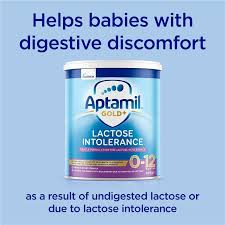
- Aptamil Gold+ Lactose Intolerance is a premium infant formula suitable for the dietary infants with lactose intolerance. Suitable for babies who are recovering from diarrhoea associated with lactose intolerance, it may also assist with colic or digestive discomfort stemming from undigested lactose.
- Nutritionally complete for infants from birth to 6 months
- Suitable for infants aged 6 months to 1 year as part of a mixed diet
- Not suitable for infants with confirmed cows’ milk protein allergy
- 900g tin format
Nutritional support for lactose intolerant infants. Aptamil Gold+ Lactose Intolerance is not suitable for general use and should be used under medical supervision.
-

Lactose-Free Formula For Babies 
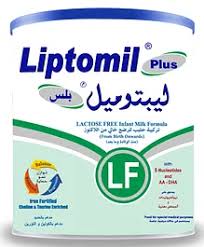
Lactose-Free Formula For Babies Liptomil Plus LF is a super-premium lactose-free infant formula prescribed by a pediatrician. Helps to reduce infant diarrhea. Supports intestinal health. Promotes rebuilding of tissues affected by diarrhea. Eases digestion. Improves absorption of nutrients.
Liptomil Plus LF includes: Antioxidants, Omega-3 fatty acids, Five nucleotides, Calcium and Zinc, Vitamin C and Iron, Essential fatty acids, Choline and Taurine, and Balanced protein content.
Lactose-Free Formula For Babies Danalac Lactose free contains all necessary nutrients which are important for proper development in baby’s first months of life. The product is designed for the dietary management of babies with lactose intolerance while providing complete nutrition which is important for your baby’s proper development during the first months of life. Suitable for babies aged 0-12months
-

Lactose-Free Formula For Babies Soya Infant Formula is a dairy-free alternative that provides essential nutrients without the lactose that can cause digestive issues. Some popular brands include SMA Soya Infant Formula.
Why soy formula is suitable for lactose intolerance:-
No lactose:
Soy formula is naturally lactose-free, meaning it does not contain the sugar found in cow’s milk that lactose-intolerant babies can’t digest. -
Nutritionally complete:
Soy formulas are designed to provide all the essential nutrients a baby needs for growth and development, just like cow’s milk formulas. -
Suitable for other conditions:
Soy formula is also suitable for babies with milk protein intolerance, galactosemic, and galactokinase deficiency, according to SMA Soya Infant Formula.
Considerations:-
Soy allergy:If a baby is suspected to have a soy allergy, soy formula should be avoided.
-
Iron absorption:Soy formula may contain phytic acid, which can inhibit iron absorption. Some manufacturers fortify soy formula with iron to compensate for this.
-
Other concerns:Some individuals may have concerns about phytoestrogens (natural plant hormones) in soy, but studies have generally found them to be safe for infants.

Lactose-Free Formula For Babies -
- Myth 3: Lactose-free formula lacks nutrients.
Conclusion
Understanding lactose-free formula is crucial for new parents, especially those whose babies may struggle with lactose intolerance or allergies. By learning about the signs of lactose issues, types of formulas available, and how to choose the best option, you can ensure your baby gets the nutrition they need without discomfort. Always consult with your pediatrician as you navigate this decision, and trust your instincts as a parent.