



Understanding a Formula Feeding Schedule.
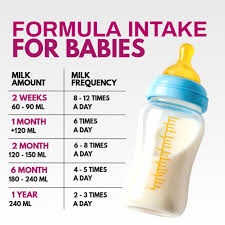
Creating a formula feeding schedule is less about a rigid clock and more about matching your baby’s growing appetite. While every baby is unique, most follow a predictable “volume up, frequency down” pattern during their first year. Here is a guide to help you navigate the transition from a sleepy newborn to a busy toddler.
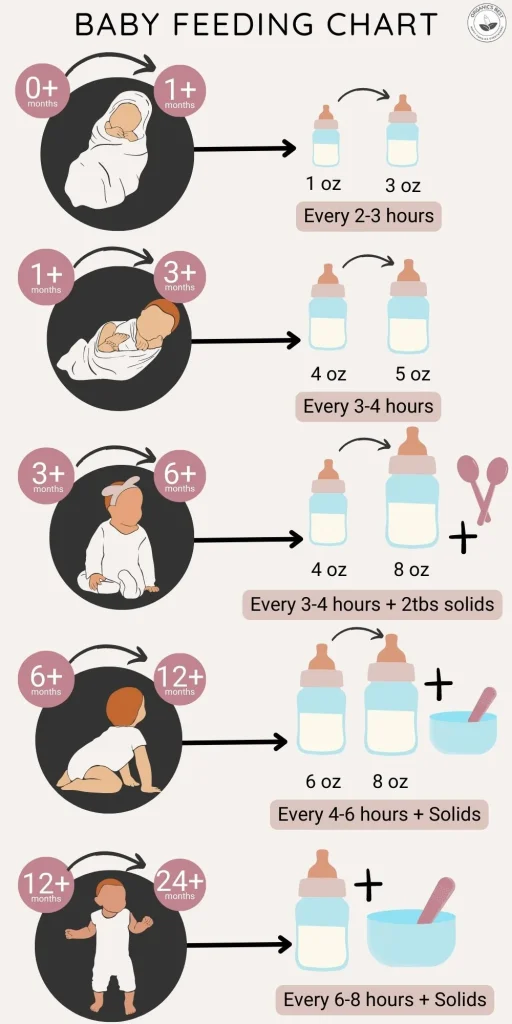
Sample of a perfect Formula Feeding Schedule
Note: These are averages. Some babies may want more or less depending on their weight and growth spurts.
| Age | Amount per Feed | Frequency (24 hours) | Total Volume/Day |
| Newborn (0–2 wks) | 1.5 – 3 oz | 8 – 12 times | 14 – 24 oz |
| 1 Month | 3 – 4 oz | 6 – 8 times | 24 – 30 oz |
| 2 – 4 Months | 4 – 6 oz | 5 – 6 times | 26 – 32 oz |
| 4 – 6 Months | 6 – 8 oz | 4 – 5 times | 28 – 32 oz |
| 6 – 12 Months | 6 – 8 oz | 3 – 5 times | 24 – 30 oz (+ solids) |
Formula Feeding Schedule guide
Hunger cues while adhering to formula feeding schedule

-
Rooting: Turning the head and opening the mouth toward your hand or chest.
-
Sucking: Smacking lips or sucking on fists/fingers.
-
“The Hanger”: Becoming increasingly active, alert, or fussy. (Crying is usually the late sign of hunger).
-
Fullness Signs (Stop Now)
-

Formula Feeding Schedule -
-
The Turn Away: Pushing the bottle away or turning their head.
-
Relaxed Hands: Fists opening and arms going limp.
-
Distraction: Slowing down or looking around the room instead of focusing on the nipple.
-
The Golden Rules of Formula Feeding
-
Don’t “Finish the Bottle”: Unlike breastfeeding, it’s easy to accidentally overfeed with a bottle. If your baby stops sucking or turns away, they are done—even if there are 2 ounces left.
-
The 32-Ounce Peak: Most nutritionists recommend not exceeding 32 oz (approx. 950 ml) in 24 hours. If your baby is consistently wanting more than this, it might be a sign they are ready for solids (around 6 months) or are going through a temporary growth spurt.
-
Water First, Powder Second: Always add the water to the bottle first, then the powder. Adding powder first can displace the water, making the formula too concentrated and hard on your baby’s kidneys.
-
Growth Spurts: Expect “cluster feeding” (wanting to eat every hour) around 3 weeks, 6 weeks, 3 months, and 6 months. These usually last 2–3 days.
-
Transitioning at 12 Months
-
Formula Feeding Schedule Once your baby hits their first birthday, their nutritional needs shift:
-
Transition to Whole Milk: You can swap formula for whole cow’s milk (or a fortified plant alternative).
-
Limit Milk Intake: Keep milk to 16–24 oz per day so they remain hungry enough for solid “family foods.”Volume of feeds:
The total volume of feeds in formula-fed infants can be reduced to 150 ml/kg/day, according to the Healthy Newborn Network. -
Ditch the Bottle: This is the ideal time to move toward straw cups or open cups to protect dental health.
-
Tips for Customizing This Schedule
-
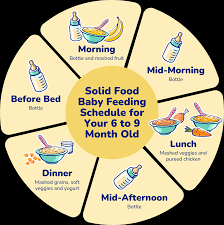
Formula Feeding Schedule 1. The “Milk First” Rule
At 6 months, milk is still the primary source of nutrition. Always offer the bottle 30–60 minutes before solid foods. If you do it the other way around, the baby might be too full of “taster” food to drink the formula they need for growth.
2. Watch the “Window”
A 6-month-old typically has a “wake window” (the time they can stay awake comfortably) of about 2 to 2.5 hours. If your baby seems cranky during a feed, they might actually be tired rather than hungry.
3. Adjusting for Daycare
If your baby is in daycare, they may take smaller bottles more frequently (e.g., 4 oz every 3 hours) rather than the larger volumes listed above. This is perfectly normal! As long as the total daily volume hits roughly 24–32 oz, they are doing
Understanding Perfect Formula Feeding Schedule
-

Formula Feeding Schedule
-
-
-
Formula feeding is a common alternative to breastfeeding, and it provides vital nutrients to support your baby’s growth and development. Infant formula is fortified with vitamins and minerals, making it a suitable option for those who may not be able to breastfeed. However, every baby is unique, and the right feeding schedule will vary based on factors such as age, weight, and individual appetite.
When to Start Feeding Your Baby

Breastfeeding is always the best option but there are circumstances that can challenge it. Looking at a health baby (baby born normal at term),Most nutritionists suggest starting formula feeding as soon as the baby is born for example if the mother passed or when you decide it’s time to stop breastfeeding (at the end of a maternity leave). It’s essential to consult with your healthcare provider for personalized advice on when to begin feeding and for any specific formula recommendations.
Creating a Formula Feeding Schedule for health infants.
Establishing a feeding schedule helps create a sense of routine for both you and your baby. Here’s a structured guide to help you formulate the perfect schedule:
1. Assess Your Baby’s Age and Weight
Newborns typically need to eat every 2-3 hours. According to the American Academy of Pediatrics, newborns should consume about 2.5 ounces (75 mL) of formula per pound of body weight per day. As a rule of thumb:
-
- 0-1 month: 2-3 hours between feedings
-
- 1-3 months: 3-4 hours between feedings
-
- 3-6 months: 4-5 hours between feedings
-
- 6+ months: feeding may decrease to 4 times a day
2. Track Feeding Times
Keeping a record of your baby’s feeding times can help you identify patterns in their eating habits. Consider using a notebook or a mobile app specifically designed for tracking feeds. Note each feeding time, amount consumed, and any changes in behavior or appetite.
4. Customize Feeding Amounts
The required amount of formula can vary significantly. In general:
-
- Newborns: 1-3 ounces (30-90 mL) per feeding
-
- 1-2 months: 3-4 ounces (90-120 mL) per feeding
-
- 2-4 months: 4-6 ounces (120-180 mL) per feeding
-
- 4-6 months: 6-8 ounces (180-240 mL) per feeding
Remember, these are only guidelines. Consult your pediatrician for recommendations tailored specifically to your baby’s needs.
5. Feed on Demand
In the first few months, feeding on demand rather than adhering strictly to a schedule can be beneficial. This approach allows your baby to dictate their nutritional needs and can help establish a more natural rhythm over time.
6. Introduce Gradual Changes
As your baby grows, you can gradually introduce solid foods around the 6-month mark. Transitioning to solid foods should, however, be accompanied by continued formula feeding until at least the age of one, as breast milk or formula remains a crucial source of nutrition during this period.
Tips for Successful Formula Feeding
Here are some additional tips to help make formula feeding easier and more effective:
-
- Be Patient: Adjusting to a formula feeding schedule takes time. Be patient with both yourself and your baby.
-
- Practice Hygiene: Always wash your hands, clean bottles, and sterilize nipples before preparing formula to prevent contamination.
-
- Choose the Right Formula: Consult your pediatrician about the best formula for your baby’s needs, including options for sensitive digestive systems or potential allergies.
-
- Stay Flexible: As your baby grows and develops, their feeding needs will change. Be willing to adjust the schedule and amounts as necessary.
Conclusion
Creating the perfect formula feeding schedule is an evolving process that requires attention, flexibility, and care. Remember that every baby is unique, and what works for one might not work for another. Trust your instincts, observe your baby’s cues, and consult your pediatrician regularly. With time, you’ll find the right rhythm for you and your little one, ensuring they get the nutrition they need for a healthy start in life.