

An overview of the best formula for colic
For many babies, the best formula for colic is often a formula with partially or extensively hydrolyzed protein, l These formulas break down the cow’s milk protein into smaller pieces, which can be easier for some babies with sensitive digestion to absorb. If your baby is not sensitive to cow’s milk protein, then a comfort formula may be sufficient
Understanding the best formula for colic

Colic, a puzzling condition affecting many infants, is characterized by excessive crying and fussiness, often leaving parents feeling helpless. According to pediatricians, colic can be attributed to a variety of factors, including digestive issues, allergies, or even the stress surrounding a new environment. One common concern is whether switching to a special infant formula can alleviate these symptoms. In this comprehensive guide, we will explore the best formulas for colic, helping parents make informed choices to find relief.
Exploring the possible causes of colic
Colic is typically defined as excessive crying in an otherwise healthy infant, usually beginning around two weeks of age and subsiding by three to four months. It manifests as long periods of crying, often occurring in the late afternoon or evening. The exact cause of colic remains uncertain, but possible factors include:
-
- Digestive System Maturity: Infants have underdeveloped digestive systems that can lead to gas and discomfort.
-
- Food Sensitivity: Some babies may be sensitive to certain proteins found in dairy or soy.
-
- Overstimulation: An infant’s overwhelmed nervous system can contribute to increased fussiness and crying.
signs of colic
All babies cry but if they cry for more than 3 hours a day,3 days a week for at least one week, it may be colic if they are otherwise health. If your baby is suffering from colic, they might:
• Cry more often in the afternoon and evening.
• Be hard to soothe or settle.
Whilst they are crying, they might:
• Go red in the face.
• Clench their fists.
• Bring their knees up to their tummy or arch their back.
• Have a rumbly tummy or be very windy.
Management
The primary goals are to soothe the child as much as possible with a variety of interventions and ensure that parents have the support they need to cope.
Soothing strategies
You may find it helpful to have a plan, a list of soothing strategies you can try. You may need to experiment. Some may work better than others, and some may work one time but not another. Soothing strategies may include:
- Using a pacifier
- Taking your infant for a car ride or on a walk in a stroller
- Walking around with or rocking your baby
- Swaddling your baby in a blanket
- Giving your baby a warm bath
- Rubbing your infant’s tummy or placing your baby on the tummy for a back rub
- Playing an audio of heartbeats or quiet, soothing sounds
- Providing white noise by running a white noise machine, a vacuum cleaner or clothes drier in a nearby room
- Dimming the lights and limiting other visual stimulation
Feeding practices
Changes in feeding practices may also provide some relief. Bottle-feed your baby in an upright position and burp frequently during and after a feeding. Using a curved bottle will help with upright feeding, and a collapsible bag bottle can reduce the intake of air.
Trial changes in diet
If soothing or feeding practices aren’t reducing crying or irritability, your doctor may recommend a short-term trial of dietary changes. If your baby has a food allergy, however, there would likely be other signs and symptoms, such as a rash, wheezing, vomiting or diarrhea. Dietary changes may include:
- Formula changes. If you feed your infant formula, your doctor may suggest a one-week trial of an extensive hydrolysate formula that has proteins broken down into smaller sizes.
- Maternal diet. If you’re breast-feeding, you may try a diet without common food allergens, such as dairy, eggs, nuts and wheat. You may also try eliminating potentially irritating foods, such as cabbage, onions or caffeinated beverages.
Parent self-care
Caring for an infant who has colic can be exhausting and stressful, even for experienced parents. The following strategies can help you take care of yourself and get the support you need:
- Take a break. Take turns with your spouse or partner, or ask a friend to take over for a while. Give yourself an opportunity to get out of the house if possible.
- Use the crib for short breaks. It’s OK to put your baby in the crib for a while during a crying episode if you need to collect yourself or calm your own nerves.
- Express your feelings. It’s normal for parents in this situation to feel helpless, depressed, guilty or angry. Share your feelings with family members, friends and your child’s doctor.
- Don’t judge yourself. Don’t measure your success as a parent by how much your baby cries. Colic isn’t a result of poor parenting, and inconsolable crying isn’t a sign of your baby rejecting you.
- Take care of your health. Eat healthy foods. Make time for exercise, such as a brisk daily walk. If you can, sleep when the baby sleeps — even during the day. Avoid alcohol and other drugs.
- Remember that it’s temporary. Colic episodes often improve after age 3 to 4 months.
- Have a rescue plan. If possible make a plan with a friend or relative to step in when you’re overwhelmed. If necessary, contact your health care provider, a local crisis intervention service or a mental health help line for additional support.
Importance of Choosing the Right Formula
For parents who choose to formula-feed, selecting the right infant formula is crucial. Not all formulas are created equal, and some are specifically designed to address the needs of colicky babies. A suitable formula can:
-
- Reduce gas and bloating.
-
- Help minimize allergies and sensitivities.
-
- Aid in digestion and overall comfort.
Types of Infant Formulas for Colic
When searching for the best Formula For Colic, parents may come across various types. Here are some of the most effective categories:
1. Hydrolyzed Protein Formulas
These formulas contain proteins that have been broken down into smaller, more easily digestible pieces. They are an excellent choice for infants who may have allergies or sensitivities to whole proteins. Examples include:
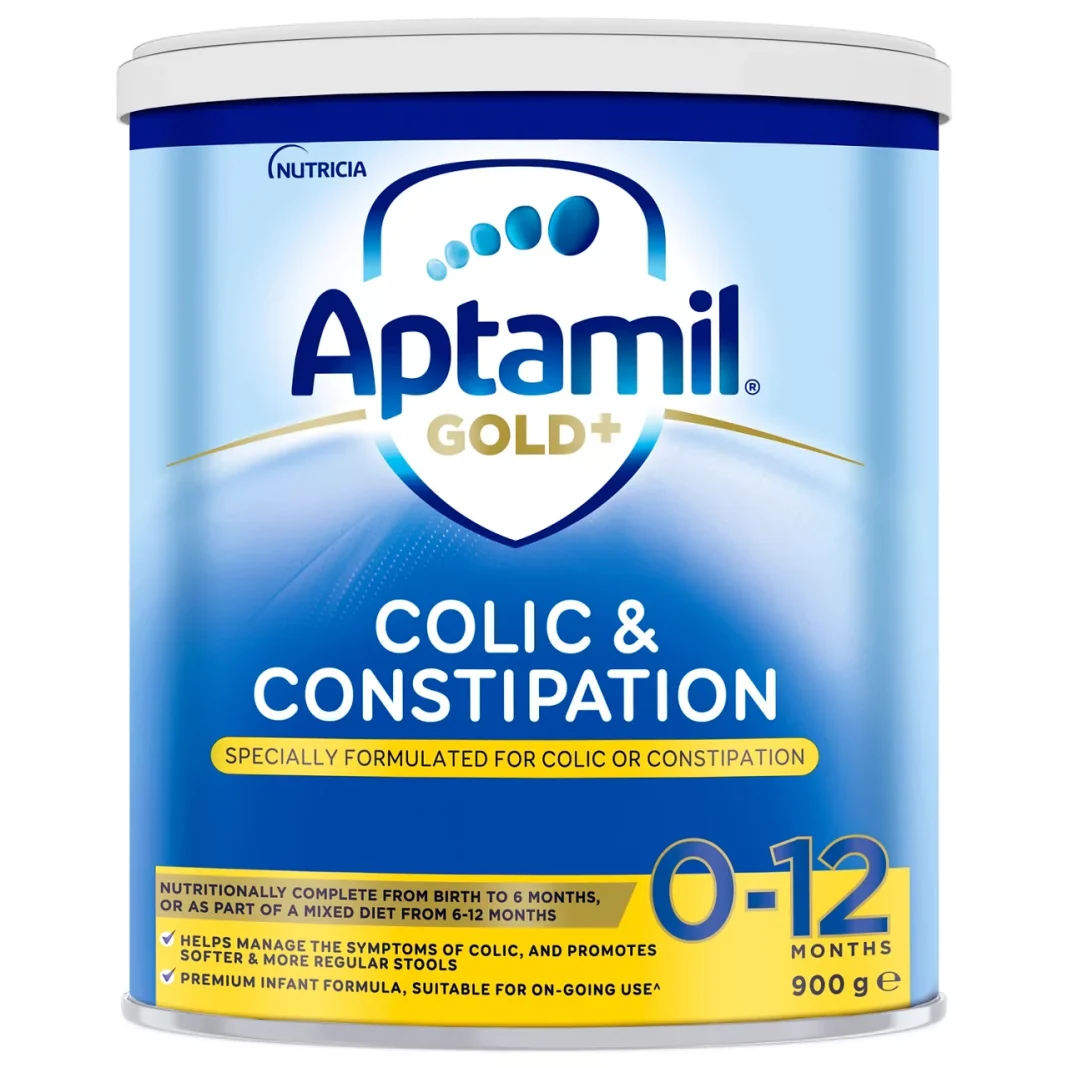
Aptamil pepti: A hypoallergenic formula that is easy on the stomach and designed to reduce colic symptoms.

Aptamil gold : Formulated for infants with protein allergies, this formula offers gentle digestion for sensitive tummies.

2. Lactose-Free Formulas
Some infants are intolerant to lactose, which can lead to excessive gas and discomfort. Lactose-free formulas omit this sugar to alleviate digestive distress. Popular options include:
-
- Liptomil LF: Ideal for babies who are lactose intolerant, it helps reduce gas and crying.

-
- Francelait LF: Includes comfort proteins and is designed to be easy on digestion while being lactose-free.

3. Comfort Formulas
These formulas are specially designed to reduce excessive crying and aid digestion. They focus on smaller protein sizes and added prebiotics for healthy gut flora. Consider:
-
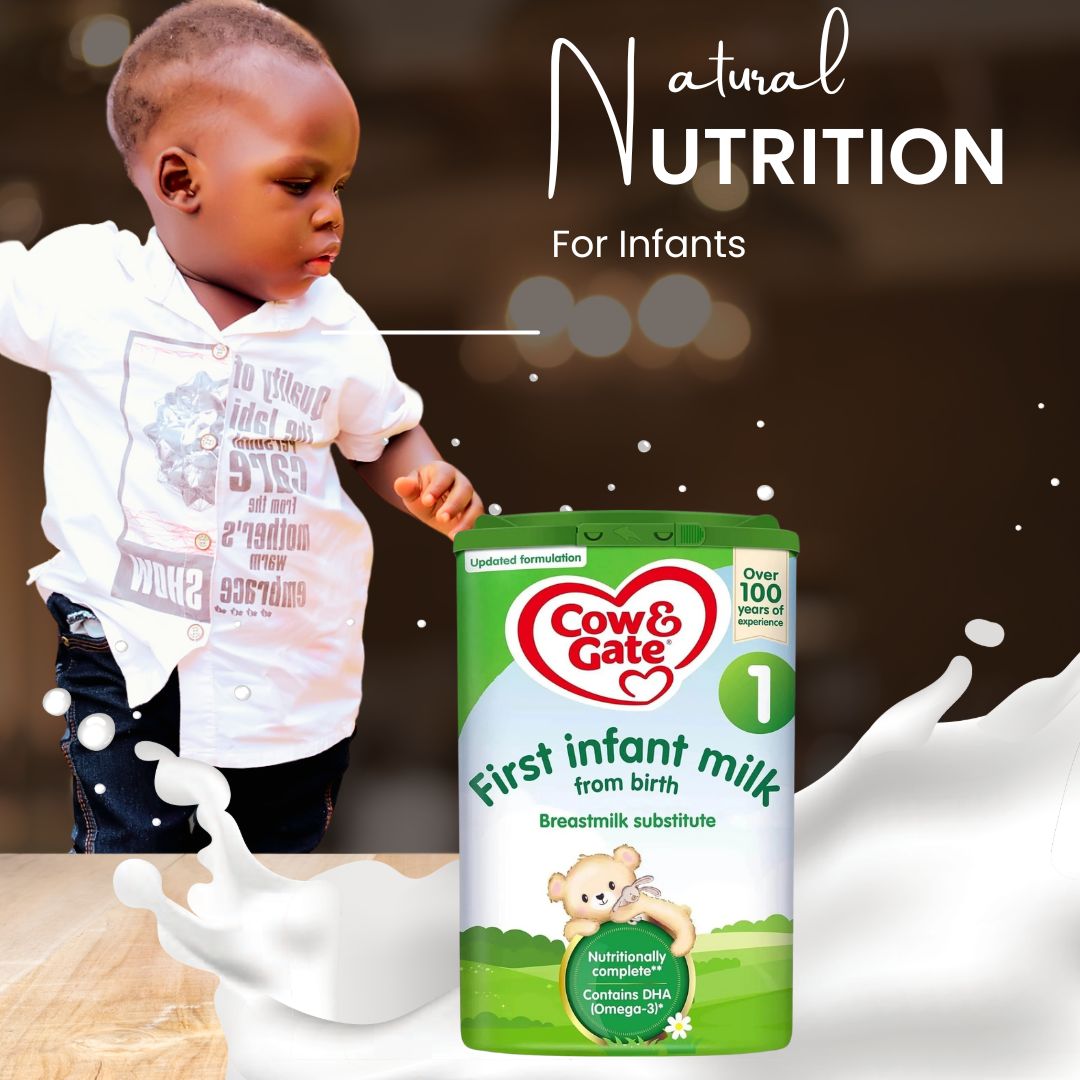
- Cow and Gate Comfort: Tailored for gassy babies, it provides a blend of proteins that are easy to digest.
-

Best Formula For Colic
-
- Francelait Comfort: Contains partially hydrolyzed proteins and is designed to promote gentle digestion.
-

Best Formula For Colic
Consulting a Pediatrician
Before making any changes to your infant’s diet, it’s paramount to consult with a pediatrician. Colic can sometimes be mistaken for other underlying conditions that may require different interventions. A knowledgeable doctor can help determine the best approach tailored to your infant’s unique needs and ensure that any formula chosen meets the nutritional requirements for healthy growth and development.
Transitioning to a New Formula
If you and your pediatrician decide to try a new formula, transitioning should be done gradually. Abrupt changes can upset an infant’s stomach and worsen colic symptoms. Here’s how to transition smoothly:
-
- Start by replacing one feeding per day with the new formula.
-
- Gradually increase the proportion of new formula over 3 to 7 days.
-
- Monitor your infant’s response during the transition, and report any concerning symptoms to your doctor.
Key points to remember
- Colic eventually improves on its own.
• It’s a common problem that usually gets better by around 3 to 4 months of age.
• There are things you could try to soothe your baby.
• You could speak to your GP if you are worried.
Conclusion
Dealing with colic can be challenging for both infants and parents alike. By understanding colic and the various infant formulas available, you can take a proactive approach in finding relief for your little one. Whether through hydrolyzed proteins, lactose-free options, or comfort formulas, there are solutions designed to ease your baby’s discomfort. Always remember to consult with a healthcare professional before making dietary changes to ensure the healthiest path forward for your baby.
Finding the right formula can not only provide comfort to your infant but also restore peace to your household. Your journey may require patience and perseverance, but relief is achievable with the right resources and support.