

Like many aspects of pregnancy, every woman experiences contractions uniquely. As labour progresses, contractions typically become more intense and frequent—nature’s way of signaling that your baby is on the way. Below is a guide on what contractions feel like and how to manage them. For personalized advice, speak to your midwife or contact our expert careline.
What Causes Contractions?
A contraction occurs when the hormone oxytocin is released, causing the womb to contract. This contraction hardens and tightens the womb, encouraging the baby’s head to press against the cervix, helping it to open and prepare for delivery.
What Do Contractions Feel Like?
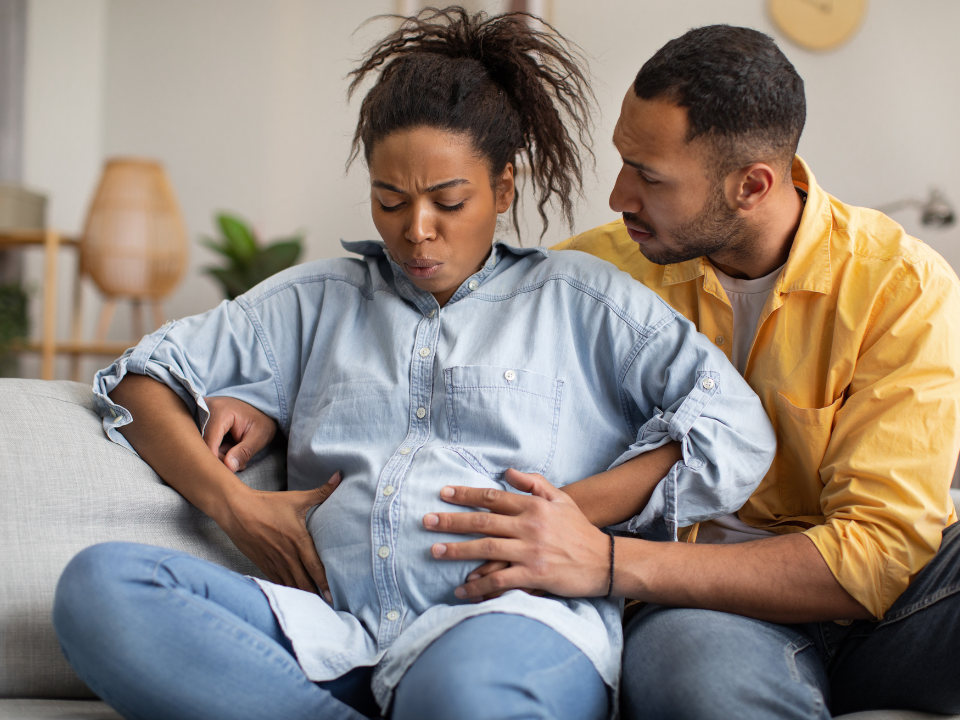
Women describe contractions differently, but early contractions often begin as a cramp, similar to period pains or mild backache. Some women experience a tight band sensation across the top of the womb, which can be felt by placing a hand on the bump. For others, contractions are felt primarily in the back, especially when the baby is in a “back-to-back” position.
Unlike Braxton Hicks, true contractions have a regular rhythm and pattern. As labour progresses, contractions become stronger and closer together. Many women describe them as a wave, with a peak of intensity that gradually eases.
Coping with Contractions
During early labour, contractions may remain irregular and vary in frequency and duration. In many cases, you can manage this stage at home with various comfort techniques:
Ways to Relieve Discomfort at Home
- Warm Bath: Taking a warm bath can help relax your muscles and relieve pain.
- Stay Hydrated: Drinking water helps you stay hydrated and comfortable.
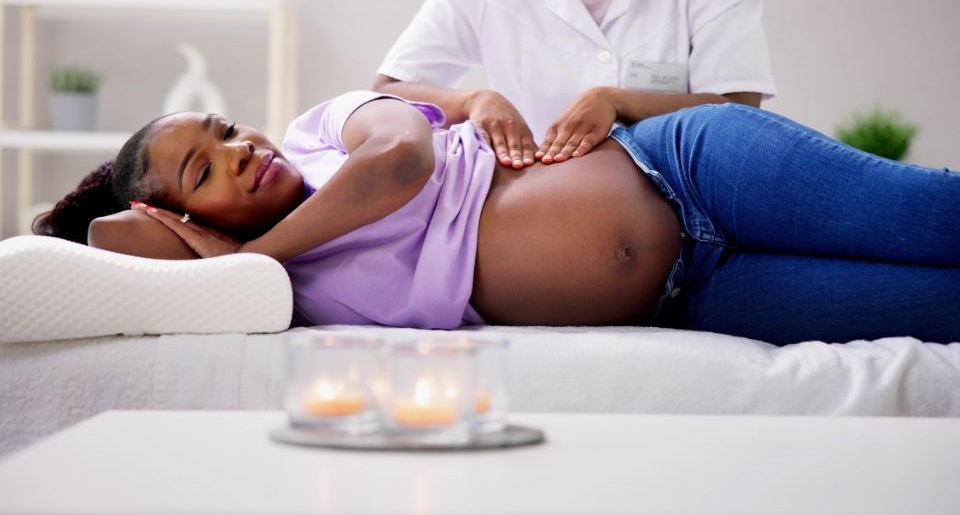
- Massage: Massaging the area can ease pain and tension.
- Breathing Techniques: Practice breathing exercises learned in antenatal classes.
- Use a TENS Machine: This small device sends gentle impulses to relieve pain through sticky pads placed on your stomach.
Monitoring Contractions
Stay in contact with your triage or maternity unit for guidance. When contractions become regular and consistent, you’ll be invited for assessment to determine if it’s time to stay in the hospital or birthing centre. If early labour persists, you may be asked to return home briefly until labour progresses—this is normal and simply means the process is unfolding naturally.
Once admitted, as contractions intensify, additional pain relief options like gas and air are available. During the second stage, your focus will shift to bringing your baby into your arms.
FAQs
How can I tell the difference between Braxton Hicks and real contractions?
Braxton Hicks contractions are often irregular and painless, while real contractions have a regular pattern, intensify over time, and become closer together.
What should I do if contractions feel mostly in my back?
This is common, especially when the baby is positioned “back-to-back.” Try changing positions, taking a warm bath, or using a TENS machine to relieve back discomfort.
When should I go to the hospital?
You should go to the hospital or birthing centre when contractions are consistent, about 5 minutes apart, and lasting approximately one minute each. Contact your maternity unit for specific advice.
Can I eat or drink during early labour?
Yes, having light snacks like toast, soup, or cereal can help keep your energy up. Staying hydrated by drinking water is also beneficial.
What pain relief options are available at the hospital?
The hospital offers several pain relief options, including gas and air, pain-relieving injections, and, in some cases, epidurals.
For more information, feel free to reach out to our careline at +256768233079.