


The right formula for gassy babies


Introduction
The right formula for a gassy baby can help alleviate discomfort and irritability in infants improving the experience for both the baby and parents. One critical factor that contributes to gas in babies is the type of formula they consume. This article aims to guide you in choosing the right formula for your gassy baby, alleviating their discomfort and ensuring their well-being.

Understanding Baby Gas
-
Improper latching:Babies may swallow air if they don’t latch on correctly during breastfeeding, says Summer Health.
-
Drinking too quickly:If a baby drinks formula too fast, they might gulp down air along with it, reports Mommy’s Bliss.
-
Crying or sucking:Babies can also swallow air when they are crying or sucking on a pacifier, notes WebMD.
-
Developing digestive system:A baby’s digestive system is still developing in the first few months, making it more prone to gas and indigestion, explains Mommy’s Bliss.
-
Food sensitivity or intolerance:Some babies may have sensitivities or intolerances to certain foods or formula, according to Summer Health.
-
Insufficient burping:Not burping the baby enough during or after feedings can lead to gas buildup, says Summer Health.
-
Incorrect formula preparation:Shaking a bottle introduces air bubbles, so letting it sit for a few minutes after mixing can help reduce air intake, notes Summer Health.
-
Overfeeding:Overfeeding can make it harder for a baby to digest the milk and may lead to gas, says www.babycenter.com.
-
Mother’s diet:If a mother is breastfeeding, certain foods in her diet can pass through the breast milk and cause gas in the baby, note
Choosing the Right Formula
When it comes to formulas for gassy babies, there is no one-size-fits-all. Here are a few options to consider when selecting a formula for your gassy baby:
1. Hydrolyzed Protein Formulas

Hydrolyzed protein formulas are designed for babies who are sensitive to regular cow’s milk protein. These formulas contain proteins that are broken down into smaller units, making them easier to digest and often less gas-producing. They are a great option for babies who experience frequent gassiness and discomfort.
2. Lactose-Free Formulas
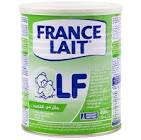
Some babies may have difficulty digesting lactose, leading to gas and bloating. Lactose-free formulas eliminate lactose while still providing essential nutrients. If your baby shows signs of lactose intolerance, switching to a lactose-free formula could provide relief.
3. Soy Formulas
For babies who are allergic or sensitive to cow’s milk protein, soy formulas might be a viable option. These formulas contain soy protein instead of dairy, which can help reduce gas and other discomforts associated with dairy intolerance. However, it’s advisable to consult your pediatrician before making this switch.
4. Probiotic-Infused Formulas

Probiotics are beneficial bacteria that can aid digestion and help reduce gas in babies. Some infant formulas include probiotics, which may assist in soothing your baby’s digestive system and reducing instances of gas and discomfort.
Home remedies to relieve a gassy baby
Moving their legs in a circle
A person can lay the baby flat on their back and lift their legs with their knees bent. Moving the legs in a bicycling motion may help the baby relieve trapped gas.

Raising their head
Elevating the baby’s head above their stomach may relieve gas, as well as holding them in an upright position for burping.
Going for a car ride
If the baby likes riding in the car, it can help to go for a ride. The gentle rocking may ease pain and calm the baby.
Swaddling
Swaddling newborns and young babies can help with gas. However, not all babies enjoy this.
Cradling them facedown
A person can try cradling the baby in their arms, but facedown instead of faceup. It is important to support the baby’s head and elevate it slightly, making sure nothing covers the baby’s face or nose.
Massaging their belly
Gently rubbing the baby’s stomach may relieve gas. A person can try pressing down in gentle clockwise or counterclockwise motions, letting the baby’s reactions guide the pr

Burping them
A person can burp the baby by rubbing or gently patting their back.
Distracting them
Older infants might cry more from pain when they are bored. A person can try to distract the baby from the pain of gas by:
- singing
- dancing
- offering toys
- using interactive play
Tummy time
Babies can benefit from tummy time while they are awake and supervised. Tummy time involves placing them on their tummy and letting them move around.
This can free trapped gas. It also strengthens their upper body muscles and encourages them to elevate their head.

Giving gas drops
Simethicone gas drops help some babies and may be safe to give up to 12 times a day, as long as parents or caregivers follow the dosage on the bottle.
However, a 2015 review of studies suggests these drops might be no better than a placebo at reducing crying or gas.
Factors to Consider When Choosing a Formula
When selecting a formula for your gassy baby, consider the following:
-
- Consult with Your Pediatrician: Always consult your pediatrician before making changes to your baby’s diet. They can provide personalized recommendations based on your baby’s health and dietary needs.
-
- Watch for Allergic Reactions: When switching formulas, monitor your baby for any signs of allergies or adverse reactions. Symptoms may include diarrhea, rash, or excessive fussiness.
-
- Gradual Switching: If you decide to change formulas, introduce the new formula gradually over several days to allow your baby’s digestive system to adjust.
-
The 5 strategies that may help prevent gas
- Changing the feeding position: Try changing the baby’s position while they eat to ensure their head is slightly above their belly.
- Improving latch: Sometimes a weak latch causes a baby to swallow too much air. A person can talk with a lactation consultant if breastfeeding is painful, the baby seems frustrated, or the baby frequently unlatches from the breast. Going to a La Leche League meeting can also help.
- Slowing down feeding: Slowing down the rate at which formula-fed babies eat may help. Some babies drink bottles very quickly, causing them to swallow air. Try using a slow-flow nipple. People can find various brands online.
- Trying different bottles: Some babies get less gas when using different-shaped bottles, such as curved bottles. Regardless of the type of bottle, it is important to hold it up enough so that the base of the bottle is full of milk rather than air.
- Burping the baby more often: A person can try taking a break in the middle of each feed to burp the baby. Burp the baby after each meal, too.
Tips to Reduce Gassiness
In addition to choosing the right formula, there are several strategies you can implement to help reduce gassiness in your baby:
-
- Proper Feeding Position: Hold your baby in an upright position during feeding to help minimize air intake.
-
- Burp Regularly: Burp your baby frequently during and after feeding to help release any trapped air.
-
- Consider Feeding Frequency: Smaller, more frequent feedings may help reduce gassiness compared to larger, less frequent ones.
Conclusion
Choosing the right formula for your gassy baby can significantly impact their comfort and overall well-being. By understanding your baby’s needs and considering various formula options, you can find a solution that works best for your little one. Remember to consult with your pediatrician for personalized guidance and to monitor how your baby reacts to any new formula. With patience and the right approach, you can help ease your baby’s discomfort and enjoy happier feeding times.