


Understanding Nutrients In Follow-On Formula
Introduction
Nutrients In Follow-On Formula is designed for infants aged 6-12 months and plays a vital role in complementing a mixed diet that includes solid foods. It provides essential nutrients particularly iron and vitamin D crucial for growth and development, says the British Specialist Nutrition Association.


From a nutritional point of view, the minimum contents of nutrients in infant and follow-on formula cover the nutritional needs of virtually all healthy infants born at term and there is no need to exceed these amounts in formulae, as nutrients which are not used or stored have to be excreted and this may put a burden on the infant’s metabolism. Therefore, maximum amounts should be interpreted not as target values but rather as upper limits of a range which should not be exceeded.
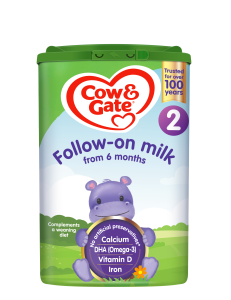


These nutrients may be lacking in infants who are transitioning to a more varied diet. Parents, understanding the nutritional needs of our children is crucial for ensuring their healthy growth and development.
This need becomes even more pronounced when transitioning from breastfeeding or first infant formula to follow-on formula.
Follow-on formulas are specially formulated for infants aged six months and older, catering to their evolving nutritional requirements.
What is Follow-On Formula?
Follow-on formula is designed to complement a diversified diet and provide the additional nutrients
needed during the weaning phase. Unlike first infant formula, which is suitable from birth,
follow-on formula has varying nutritional compositions that align with the developmental milestones of older infants and toddlers.



The Importance of Nutrients in Follow-On Formula
Each nutrient plays a pivotal role in the overall growth and development of an infant. The key nutrients included
in follow-on formulas can be categorized as follows:
-
- Proteins: Essential for growth, tissue repair, and immune function. Follow-on formulas contain more protein than first infant formulas to support rapid growth phases.
-
- Fats: A crucial source of energy; they support brain development and absorption of fat-soluble vitamins (A, D, E, and K). The fat blend in follow-on formulas often includes vegetable oils and DHA (docosahexaenoic acid).
-
- Carbohydrates: Provide energy to support an active lifestyle. Lactose remains a primary carbohydrate, but follow-on formulas can also include starches for thicker consistency.
-
- Vitamins and Minerals: Essential for various bodily functions. Important vitamins and minerals such as iron, calcium, and Vitamin D are fortified in follow-on formulas to meet growing dietary needs.
-

Francelait-Follow-On_Formula_400g

Alula-Gold-Follow-On_Formula-400g
Key Nutrients in Detail
1. Iron
Iron is vital for cognitive development and the production of hemoglobin. Follow-on formulas are fortified with iron
to prevent iron-deficiency anemia, a common issue in older infants who are transitioning from breast milk or formula.
2. Calcium and Vitamin D
These two nutrients are crucial for bone health and development. Calcium builds the structure of bones, while Vitamin D enhances calcium absorption.
Follow-on formulas are specially formulated to provide adequate amounts of both, supporting skeletal growth as the child begins moving around more.
3. DHA and ARA
DHA and arachidonic acid (ARA) are important for brain and eye development. Many follow-on formulas include these fatty acids to support
cognitive function, visual acuity, and overall brain development.
Transitioning to Solid Foods
The transition to solid foods typically occurs around six months of age, coinciding with the introduction of follow-on formula.
While follow-on formulas play an essential role in providing nutrition during this phase, it’s important to recognize
that they are not a complete substitute for a balanced diet.
Parents should introduce a variety of solid foods, including fruits, vegetables, whole grains, and proteins, while continuing
to use follow-on formula as a nutritional supplement. This approach ensures that children receive diverse nutrients necessary for their growth.
Choosing the Right Follow-On Formula
With a myriad of options available on the market, selecting the right follow-on formula can seem daunting. Here are some factors
to consider when making a choice:
-
- Ingredients: Check for quality ingredients, and ensure the formula contains essential nutrients like iron, calcium, and DHA.
-
- Allergies: Be aware of any potential allergens, especially if there is a family history of allergies. Consider hypoallergenic formulas if necessary.
-
- Brand reputation: Choose brands that are reputable and adhere to safety regulations for infant formulas.
Conclusion
Understanding the nutritional needs of your child during the transition to follow-on formula is essential for promoting optimal growth and development.
Follow-on formula serves as a supportive source of essential nutrients that can aid in this critical phase.
Always consult with a pediatrician or a healthcare provider before making dietary changes, as individual needs may vary.