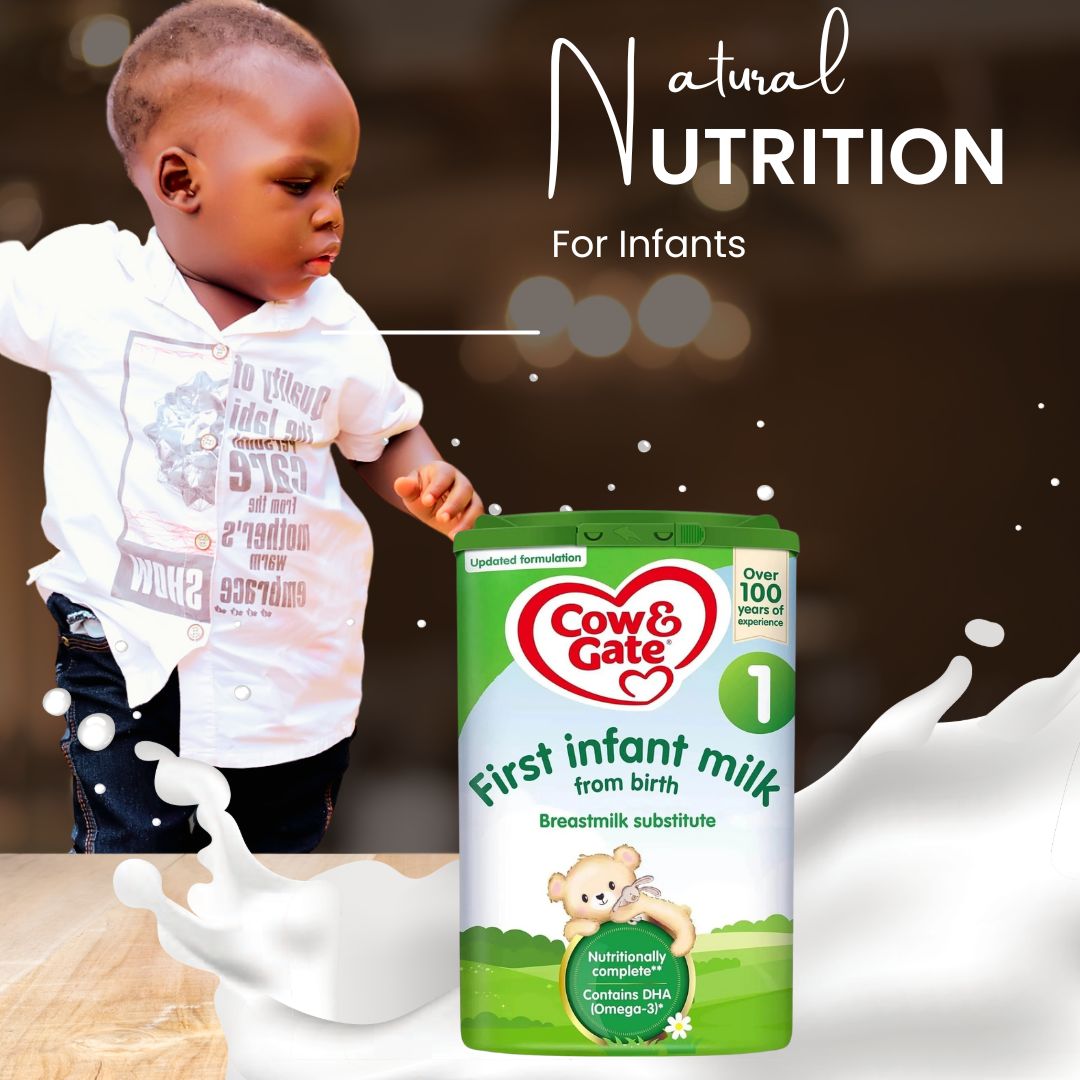


Premature Baby Formula Description
Premature baby formulas are specially designed to provide extra calories, proteins and other nutrients needed to support the rapid growth and development of babies born before 37 weeks gestation. These formulas often contain higher levels of protein, vitamins, and minerals compared to standard term formulas

Premature Baby Formula Features and Benefits
-
Increased Nutrient Density:Premature baby formulas are designed with higher concentrations of essential nutrients like protein, calories, and vitamins to help support catch-up growth.
-
Improved Weight Gain and Growth:The extra nutrients in these formulas can help premature babies gain weight and grow more rapidly.
-
Brain and Eye Development:Some formulas, like Aptamil contain DHA, Lutein, and other nutrients that support brain and eye development, according to Amazon.in.
-
Bone Growth:Formulas like Aptamil include calcium and phosphorus to support bone growth, according to Amazon.com.
-
Transition to Term Formula:Once your baby is gaining weight appropriately and developing as expected, your healthcare professional will guide you on when to transition to a standard term formula.
Examples of Preterm Formulas in Uganda
- Aptamil Nutriprem A ready-to-feed option for premature baby formula

- Aptamil Nutriprem Post Discharge: A ready-to-feed option for premature baby formula
-

Premature-Baby-Formula
- Pre-Francelait: Another option for premature babies, offering increased calories and protein.

Premature Baby Formula
Welcoming a new baby is a joyous occasion, but when a baby is born prematurely, it can also bring extra concerns, especially around nutrition. Premature babies, defined as babies born before 37 weeks of gestation, often require a specialized type of formula to support their unique health needs. This article will guide parents through the specifics of premature baby formula, helping them make informed choices for their little ones.
What is Premature Baby Formula?
Premature baby formula is a specially designed nutritional product formulated to provide the additional calories and nutrients that preemies need to grow and thrive. Unlike standard infant formulas, these formulas are fortified with essential nutrients that premature infants may lack because they were born before they had time to fully develop in the womb.
Key Nutritional Requirements for Premature Infants
Premature infants have distinct nutritional needs due to several factors, including their lower birth weight and underdeveloped organs. Here are some of the key nutritional requirements that premature baby formulas are designed to meet:
-
- Higher Calorie Content: Premature baby formulas typically contain more calories than standard formulas (around 22-30 calories per ounce) to support weight gain and growth.
-
- Increased Protein: Protein is crucial for growth and development, and these formulas may contain higher levels of protein than regular formulas.
-
- Fatty Acids: Essential fatty acids, such as DHA and ARA, support brain development and vision.
-
- Vitamins and Minerals: Premature formulas are fortified with iron, calcium, phosphorus, and other important vitamins and minerals to support overall health and development.
Types of Premature Formula
There are various types of premature formulas available, and the choice may depend on your baby’s specific needs and your healthcare provider’s recommendations:
-
- Concentrated Formula: This type requires dilution with water before feeding.
-
- Ready-to-Feed Formula: This formula is sold in liquid form and doesn’t require any preparation, making it convenient for parents.
-
- Powdered Formula: This formula comes in powder form and needs to be mixed with water before use.
When to Introduce Premature Baby Formula
Parents might wonder when it’s appropriate to introduce premature baby formula. Many premature infants will start receiving formula while still in the neonatal intensive care unit (NICU). Once your healthcare provider gives the green light, you can continue using premature baby formula based on your little one’s specific needs.
Breast Milk vs. Premature Baby Formula
Breast milk is often referred to as the gold standard for infant nutrition. For premature infants, it is highly beneficial because it contains antibodies and is easier to digest. However, when breast milk alone is insufficient to meet the nutritional needs of a premature baby, pediatricians may recommend supplementing with premature baby formula. Parents should work closely with their healthcare providers to determine the right balance.
How to Choose the Right Premature Baby Formula
Choosing the right formula can be daunting. Here are some tips to help you along the way:
-
- Consult Your Pediatrician: Always refer to your baby’s doctor when choosing a formula. They can recommend the best options based on your baby’s weight and health status.
-
- Monitor Growth: Keep an eye on your baby’s weight gain and growth patterns. If your baby isn’t gaining adequately, you may need to try a different formula.
-
- Check for Allergies: Be observant of any signs of allergies or intolerances, such as vomiting, diarrhea, or rashes. If any of these occur, consult your pediatrician.
Feeding Tips for Parents
Feeding a premature baby can be challenging, but certain strategies can help ease the process:
-
- Feed Slowly: Premature babies may have difficulty with fast feeds. Take your time and allow for breaks.
-
- Positioning: Try to hold your baby in a semi-upright position; this can aid in digestion and comfort.
-
- Use Smaller Bottles: Smaller nipples and bottles may help your baby with feeding.
Conclusion
As a parent of a premature baby, understanding the importance of proper nutrition is vital for ensuring your baby’s health and development. Premature baby formulas are specifically designed to cater to the needs of preterm infants, providing them with the nutrients necessary for their growth and well-being. Always remember to consult with your healthcare provider for personalized advice tailored to your baby’s requirements. With the right support, you can help your premature baby thrive and reach their milestones.