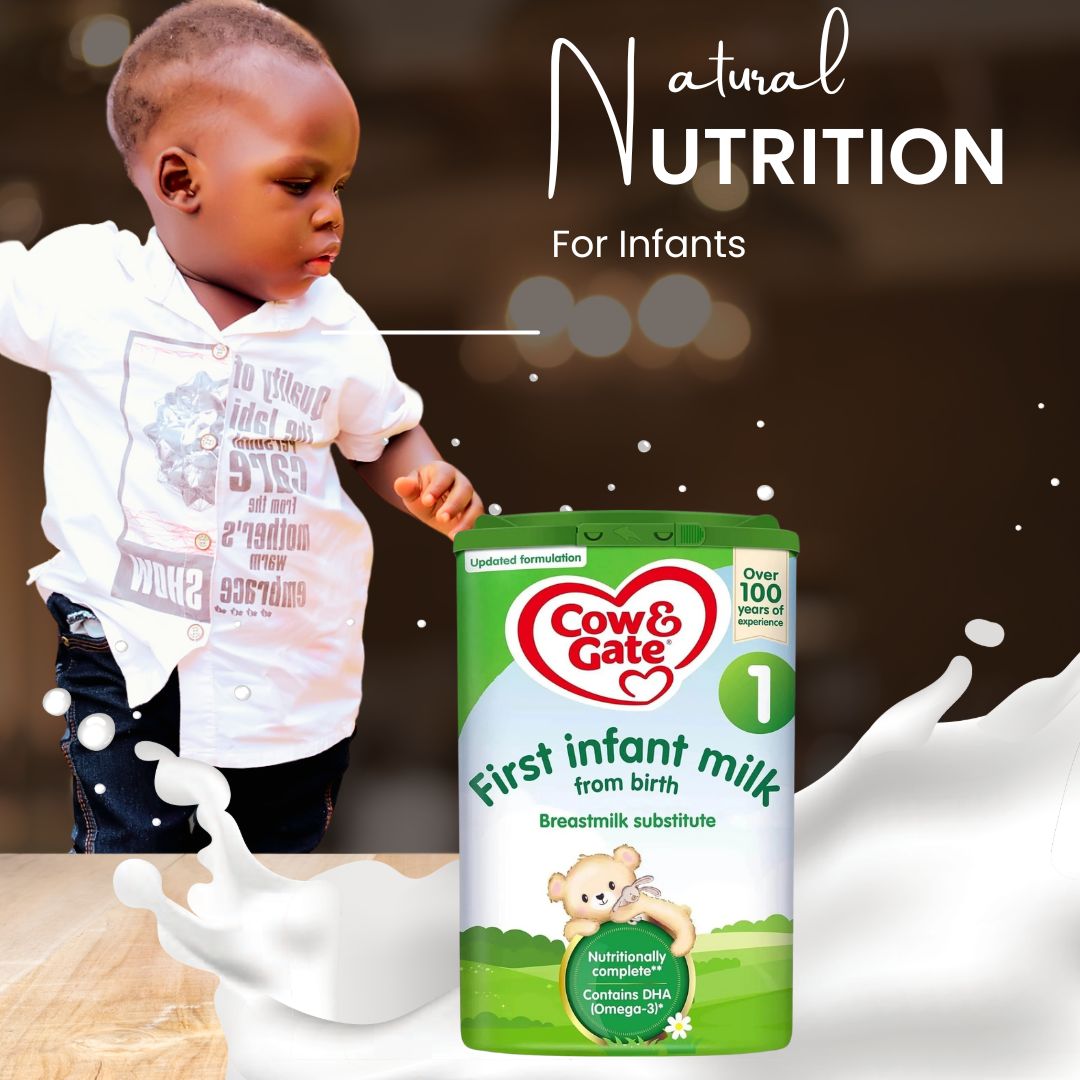


An Overview of Soy-based infant formula
Introduction

soy-based infant formula in details
-
Nutritional Value:Soy-based baby formula is fortified with iron, as soy protein can inhibit iron absorption.
-
Allergy Considerations:Some infants who are allergic to cow’s milk may also be allergic to soy, so it’s important to consult with a pediatrician if you suspect an allergy.
-
Lactose-Free:Soy-based baby formulas are typically lactose-free, making them suitable for infants with lactose intolerance.
-
Phytoestrogens:Soy-based baby formula contains phytoestrogens, naturally occurring plant compounds that have estrogen-like effects.
-
Safety:While Soy-based baby formula are widely used and generally considered safe for normal infants, there are some concerns about their long-term effects, especially in premature infants.
-
Alternative Options:If you’re looking for a non-milk-based formula, Soy-based baby formula like Similac Isomil with DHA are available, and other brands like Enfamil ProSobee and Gerber Good Start Soy also offer soy-based options.
Soy-Based Baby Formula


Guide to soy-based formulas
This guide will delve into the benefits, considerations, and nutritional aspects of soy-based formulas, helping parents make informed decisions for their little ones.
What is Soy-Based Baby Formula?
Soy-based baby formula is a type of infant formula that utilizes soy protein as its main source of protein, making it a suitable alternative for infants who cannot tolerate cow’s milk formula. Generally, soy formulas are fortified with essential nutrients such as vitamins, minerals, and fatty acids, to ensure they meet the nutritional needs of growing babies.
Benefits of Soy-Based Baby Formula
1. Lactose-Free Option
One of the most significant advantages of soy-based formula is that it is naturally lactose-free. This makes it an excellent alternative for babies suffering from lactose intolerance or other digestive issues related to dairy. Signs of lactose intolerance in infants may include gas, bloating, and severe crying after feeding. Soy formula can help alleviate these symptoms and provide a comfortable feeding experience for your baby.
2. Suitable for Vegetarian Families
For families who follow a vegetarian or vegan lifestyle, soy-based formula offers a plant-based nutrition option. It provides a source of complete protein that aligns with these dietary choices while ensuring that infants receive necessary nutrients for healthy growth and development.
3. Nutritional Benefits
Soy-based formulas are designed to offer balanced nutrition, providing essential nutrients such as:
-
- Protein: Soy protein is a high-quality protein source that contributes to muscle growth and development.
-
- Omega-3 and Omega-6 Fatty Acids: These fats are crucial for brain development and overall health.
-
- Vitamins and Minerals: Soy formulas are fortified with vitamins A, C, D, E, K, and various B vitamins, alongside key minerals such as calcium, iron, and zinc.
4. Reduced Allergy Risk
Infants with a family history of allergies may benefit from soy-based formulas. Research indicates that soy may elicit fewer allergic reactions compared to cow’s milk. While it’s important to note that some babies are also allergic to soy, it may still pose a lesser risk for those with a cow’s milk allergy.
5. Digestive Health
Soy-based formulas may also contribute to better digestive health for some infants. The formulation is often easier for sensitive tummies to handle when compared to dairy-based options, which can lead to better nutrient absorption and overall comfort.
Considerations When Choosing Soy-Based Formula
While there are many benefits to soy-based formula, it is essential for parents to consider its suitability for their baby:
1. Consult Your Pediatrician
Before switching to soy-based formula, it’s crucial to seek guidance from a pediatrician. They can help rule out any potential allergies and recommend the best formula based on your baby’s specific needs.
2. Monitor for Allergic Reactions
Even though soy is often better tolerated than cow’s milk, some babies may still exhibit allergic reactions. Be vigilant for symptoms such as rash, swelling, vomiting, or diarrhea when introducing a new formula and consult your doctor if they arise.
3. Nutritional Suitability
While soy-based formulas are fortified, they may not be suitable for all infants, especially those under six months who require a complete balance of nutrients that some soy formulations may lack. Make sure to choose a reputable brand that meets the required nutritional standards.
Tips for Introducing Soy-Based Baby Formula
Transitioning your baby to soy-based formula may require a bit of patience and care. Here are some tips to help ease the process:
-
- Gradual Transition: Introduce the soy formula gradually by mixing it with your current formula to help your baby adjust to the new taste and composition.
-
- Monitor Your Baby’s Reactions: Keep an eye on how your baby responds to the new formula, noting any changes in behavior or digestion.
-
- Stay Consistent: Once you decide to make the switch, try to stick with it for a while to give your baby time to adjust.
Can Soy-based baby formula be made at home?
No, Soy-based baby formula cannot be made at home, as it requires a precise balance of nutrients and is manufactured under strict safety protocols. What we make at home is soy milk. While Soy-based baby formula is a commercial infant formula designed to replace or supplement breast milk soy milk is just a health beverage.
Comparing Soy-based baby formula and homemade soy milk
-
Nutritional Fortification:Soy-based baby formula is specifically designed to meet the nutritional needs of infants. It is fortified with essential nutrients like vitamins, minerals, and added nutrients that are not naturally present in soy milk.
-
Complete Nutritional Replacement:It is intended to provide a complete and balanced nutrition for babies, similar to human milk, but can be used as a substitute if breastfeeding is not possible.
-
Medical Supervision:Soy-based baby formula is often recommended by healthcare providers for babies who have cow’s milk allergies, or for families following a vegan diet.

-
Not a Substitute for Formula:Homemade soy milk is not a suitable replacement for baby formula and is not intended for infants under one year of age.
-
Nutritional Differences:It lacks the essential nutrients and fortification that baby formula provides, and is not as nutritionally complete for infants.
-
Not Recommended for Infants:Homemade soy milk is not recommended for infants because it lacks the necessary nutrients and can be a choking hazard.
-
Can be Part of a Balanced Diet:Soy milk can be part of a balanced diet for older children and adult
Conclusion
Soy-based baby formula can be a great option for many families, particularly those with allergies, lactose intolerance, or dietary preferences for plant-based nutrition. However, it is essential to consider your baby’s individual needs and consult with your pediatrician when selecting a suitable formula. By understanding the benefits and considerations, parents can make informed choices that promote their child’s health and well-being.