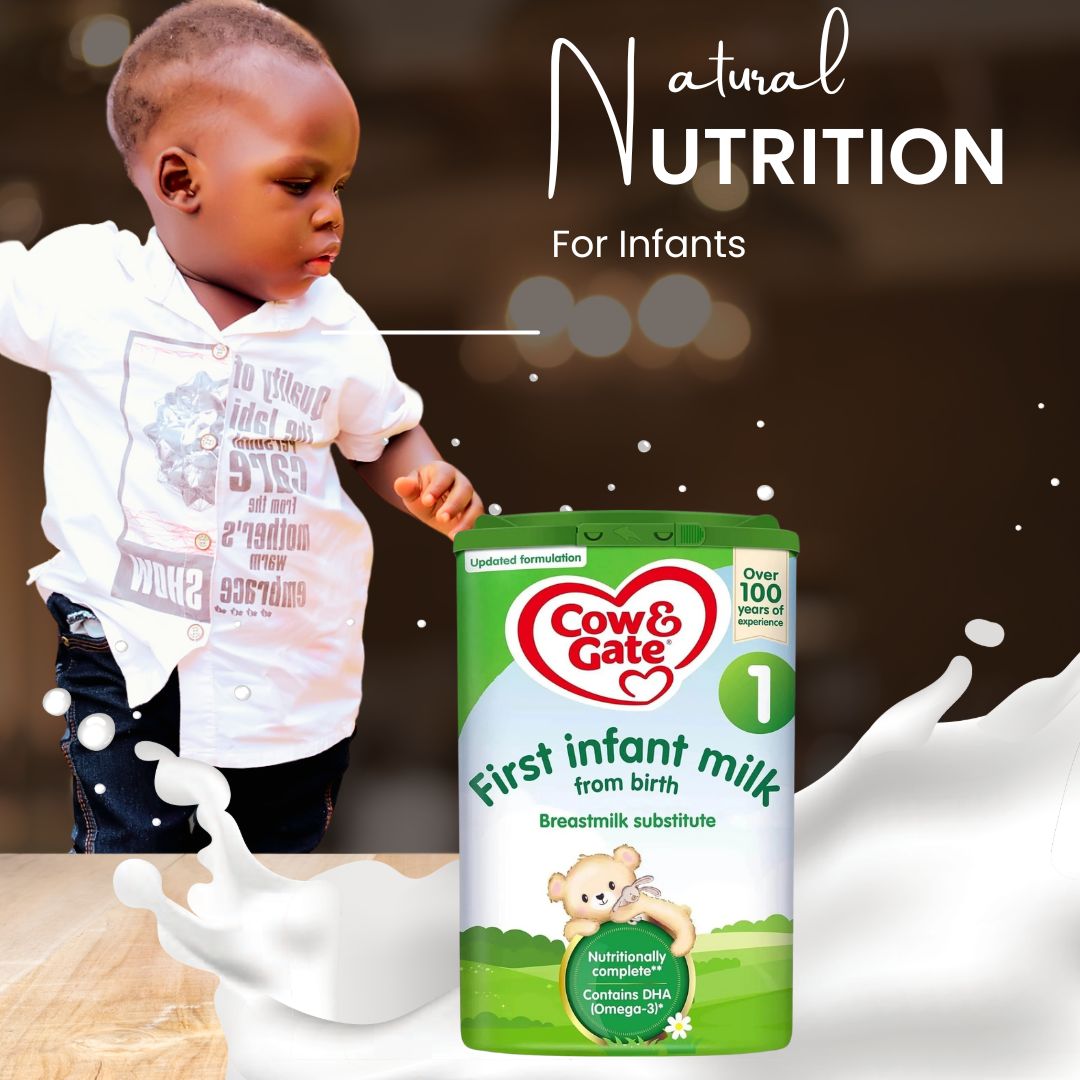


Using Formula for Babies with Eczema to aleviate th disease.
Introduction
Specific formula can help manage eczema symptoms in babies, especially those with cow’s milk protein allergies (CMPA) or food sensitivities. Hydrolyzed and amino acid-based formulas are often recommended as they break down milk proteins, making them less likely to trigger allergic reactions.
For parents, watching their little ones struggle with eczema can be heartbreaking. Eczema is a common skin condition that causes red, itchy, and inflamed skin, often affecting babies and young children. While there are various treatments, including topical creams and lifestyle adjustments, diet can also play a significant role in managing this condition. In this article, we will explore the best formula options for babies with eczema and offer insights into how these can provide relief.

Understanding Eczema in Babies
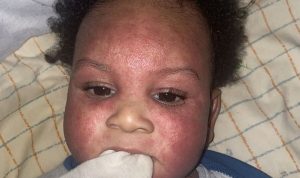
Eczema, or atopic dermatitis, is a chronic inflammatory skin condition that nearly 20% of infants and toddlers experience at some point. It can cause discomfort and distress for both the child and the parents. Although the exact cause of eczema is not fully understood, it is believed to stem from a combination of genetic, environmental, and immunological factors. Common triggers include irritants, allergens, and food sensitivities.
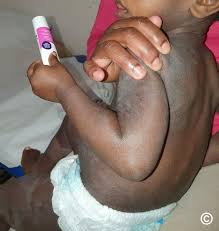
The Role of Formula in Eczema Management
Dietary choices can significantly impact eczema symptoms in infants. For babies who are formula-fed, the type of formula can influence their skin condition. Some formulas are specifically designed to be hypoallergenic and can help reduce the risk of flare-ups associated with food allergies.
Types of Formula for Babies with Eczema
1. Hypoallergenic Formula
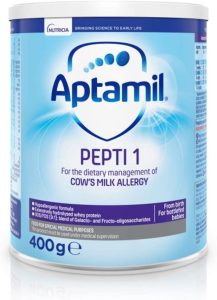
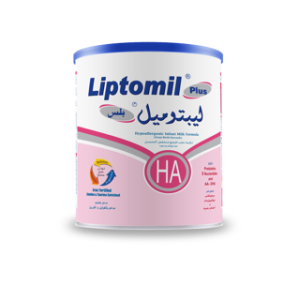
Hypoallergenic formulas, such as extensively hydrolyzed protein formulas, are designed for infants with a high risk of allergies. These formulas break down proteins into smaller, more easily digestible pieces, which lessens the chance of triggering an allergic reaction. Brands like Aptamil Pepti Junior, Liptomil HA and Francelait HA are popular options here in Uganda.
2. Amino Acid-Based Formula
For babies who do not improve on hypoallergenic formulas, amino acid-based formulas are an alternative. These formulas contain proteins that are broken down into their building blocks, making them easy to digest for babies with severe allergies or intolerances. Examples include Neocate and EleCare.
3. Organic Formulas
Some parents prefer organic formulas, which are made with organic ingredients free from pesticides and artificial additives. While organic formulas may not be specifically designed for eczema, many parents report positive outcomes with brands like Happy Baby and Earth’s Best.
Consulting Your Pediatrician
Before switching formulas, it is essential to consult with your pediatrician. An expert can help determine if your baby’s eczema may be triggered by certain ingredients in the formula or if an allergy exists. They can recommend the most appropriate formula based on your child’s health history and dietary needs.
Other Considerations for Managing Eczema
1. Moisturization
In conjunction with finding the right formula, regular moisturizing is crucial in managing eczema. It is best to use emollient-rich creams and lotions to keep the skin hydrated and to apply them immediately after bathing. Products free from fragrances and dyes are often recommended.
2. Bathing Practices
Bathing an infant with eczema can be tricky. Short baths with lukewarm water and the use of gentle, soap-free cleansers can help reduce irritation. Limiting bath time to about 5-10 minutes is ideal.
3. Clothing Choices
Choose soft, breathable fabrics for your baby’s clothing. Cotton is often the best option, as it is less irritating than synthetic materials. Ensure that clothes fit loosely to prevent rubbing against the skin.
Recognizing Flare-Ups
Parents should be vigilant in recognizing the signs of an eczema flare-up. If your baby’s skin becomes red, dry, or excessively itchy, it may require immediate attention. Photographs and a diary documenting flare-ups can assist you and your pediatrician in identifying patterns and potential triggers, including dietary factors.
Conclusion
While dealing with eczema can be challenging for both parents and babies, finding the right formula can help provide relief and manage symptoms. Hypoallergenic and amino acid-based formulas are excellent options to consider, but don’t forget that lifestyle changes, including proper skincare and diet, are equally important. Always consult with your pediatrician to ensure you’re making the best choices for your child’s health. With the right approach, you can help your baby navigate through their eczema journey more comfortably.