



Growing-Up Milk benefits the baby
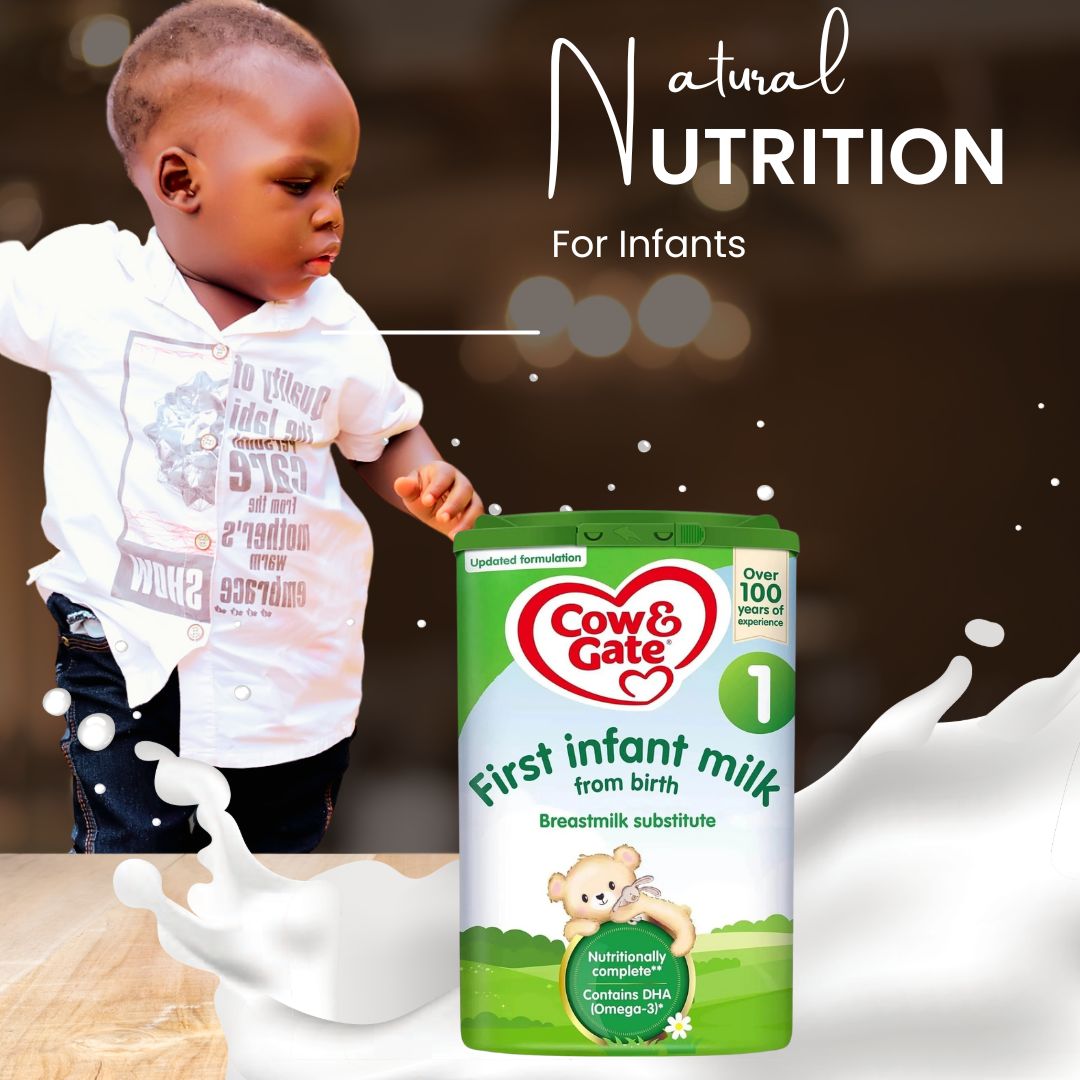
Growing up milk is the best solution ensuring the healthy development of children is a paramount concern. As children transition from infancy to early childhood, their nutritional needs evolve significantly. Growing-up milk, specially formulated for toddlers aged 1 to 3 years, plays a crucial role in complementing their diets during this vital growth period. This article explores the essential benefits of growing-up milk and why it is an integral part of child development.

Understanding Growing-Up Milk
Growing-up milk is a type of milk designed to provide toddlers with essential nutrients that may be lacking in their regular diets. It contains a blend of proteins, fats, vitamins, and minerals, specifically catering to the nutritional requirements of children aged 1 to 3 years. This stage marks a critical time when children are developing their physical and cognitive abilities, making adequate nutrition vital.

The Nutritional Landscape for Toddlers
During their early years, children undergo rapid physical growth and development. This includes:
-
- Development of strong bones and teeth.
-
- Building a robust immune system.
-
- Supporting brain development and cognitive function.
-
- Contributing to overall energy levels and physical activity.
Consequently, toddlers require a balanced intake of nutrients such as calcium, iron, vitamins A and D, and DHA (docosahexaenoic acid), which is essential for brain development.

Key Benefits of Growing-Up Milk
1. Supports Bone Health
Calcium and Vitamin D are crucial for developing strong and healthy bones. Growing-up milk typically contains a higher concentration of these nutrients compared to regular cow’s milk, ensuring that toddlers get the necessary support for bone density, structure, and overall skeletal growth.
2. Enhances Immune Function
Children are vulnerable to infections as their immune systems are still developing. Growing-up milk often includes vitamins and minerals such as Vitamin A, C, and zinc that play a vital role in building a robust immune defense system, helping children fend off common illnesses.
3. Promotes Brain Development
The inclusion of DHA in growing-up milk supports brain development and cognitive function. DHA is an essential fatty acid that contributes to optimal neurological development and function, which is crucial during the early years of a child’s life when brain growth is at its peak.
4. Improves Nutritional Intake
Many children can be picky eaters, which can make it challenging to ensure they get all the necessary nutrients. Growing-up milk helps bridge nutritional gaps by offering a convenient and nutritious option that complements a child’s overall diet, providing essential vitamins and minerals that might be lacking.
5. Aids Digestion
Some varieties of growing-up milk are fortified with prebiotics and probiotics, which are beneficial for gut health. Healthy digestion is critical in absorbing nutrients effectively, and maintaining a balanced gut microbiome can help reduce digestive issues commonly experienced by young children.

Encouraging Healthy Habits
Introducing growing-up milk as part of a balanced diet not only provides essential nutrients but also sets the foundation for healthy eating habits. Teaching children to enjoy milk and other dairy products can help them develop a taste for nutritious foods and beverages, reinforcing good dietary practices that can last a lifetime.
Choosing the Right Growing-Up Milk
When selecting growing-up milk, it is essential to consider the following:
-
- Check the nutritional label for key nutrients such as calcium, iron, DHA, and vitamins.
-
- Avoid added sugars and artificial additives to ensure a healthier choice.
-
- Consult with a pediatrician or nutritionist for personalized recommendations based on your child’s specific needs.
Incorporating Growing-Up Milk into Daily Diet
Growing-up milk can be incorporated into a toddler’s daily routine in various ways:
-
- As a drink during meals or snacks.
-
- In smoothies with fruits for added flavor and nutrition.
-
- Used in recipes such as pancakes, oatmeal, or baked goods to include additional nutrition.
Conclusion

Growing-up milk provides essential nutrition that supports toddlers’ growth and development during a pivotal stage in their lives. By complementing their diets with this specially formulated milk, parents can help ensure that their children receive the nutrients necessary for strong bones, a robust immune system, healthy cognitive function, and overall well-being. As each child grows, the foundation laid down during these early years is crucial for their future health. Thus, understanding the importance of growing-up milk is an important step in nourishing the next generation.